By Zeke Seigler, Manager, Forestry and Vegetation Control
THERE’S SOMETHING TIMELESS about trees—like the shade they provide on a summer afternoon or their changing colors that mark the seasons.
We take pride in the natural beauty of our community in our five-county service territory. We also have a responsibility to power our homes and businesses. When you flip a switch, we have to make sure the energy you depend on is there. Blue Ridge Electric works every day to strike a careful balance between preserving the beauty we cherish and delivering the reliable electricity you expect.
One of the most important ways we do that is through regular tree trimming. Keeping power lines free of overgrown vegetation plays a major role in preventing power outages. Strong winds, heavy ice or sudden storms can bring down branches and, with them, power lines and poles.
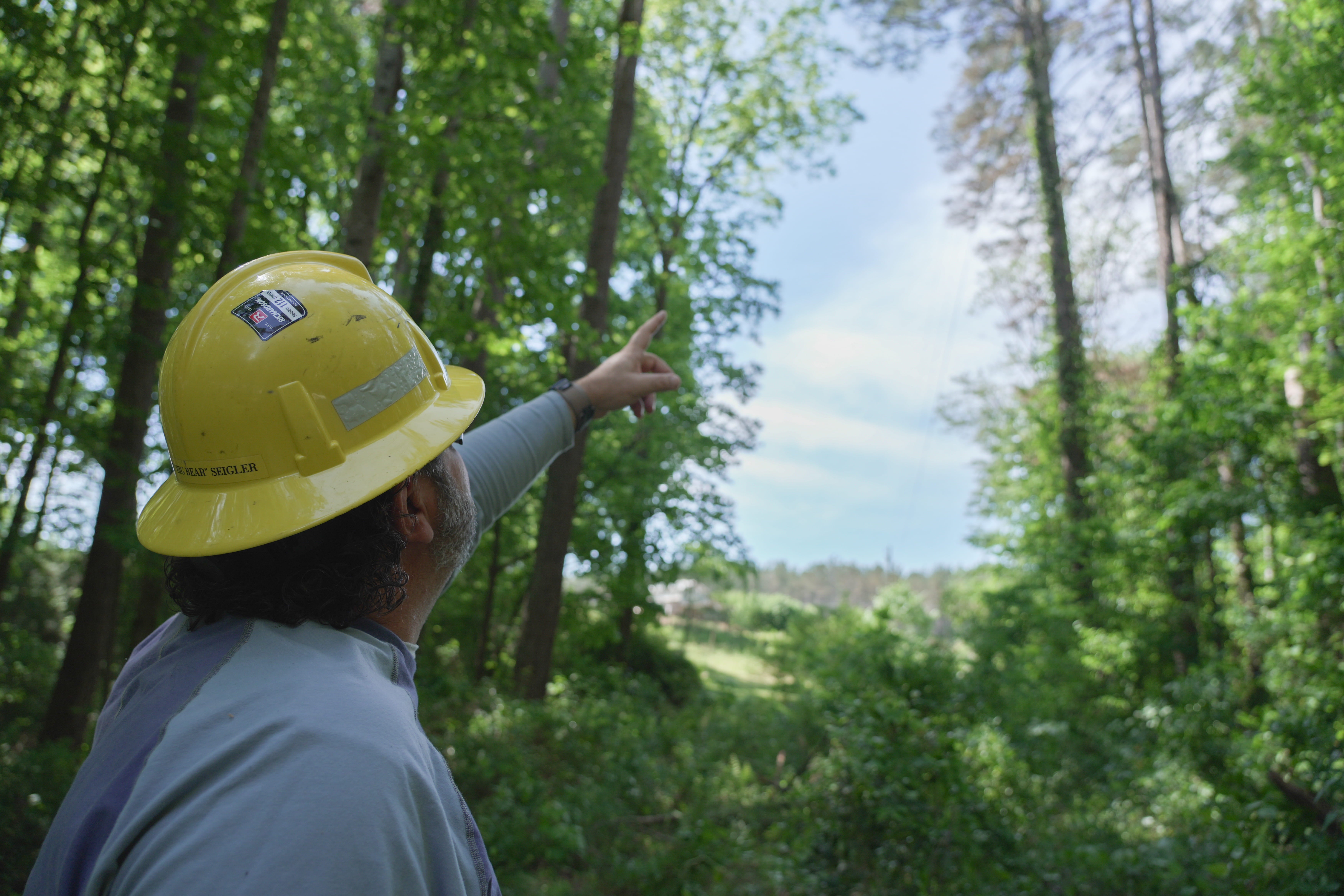
That’s why you might notice crews from Blue Ridge Electric or our trusted contractors working to clear vegetation along power lines throughout the year. Although the work is routine, it’s also critically important because it helps prevent problems before they start.
It’s not just good practice, it’s necessary for delivering safe, reliable power. Electric utilities across the country administer scheduled trimming to remove dead or weakened limbs and keep fast-growing trees from becoming hazards. By managing vegetation near power lines, we’re staying one step ahead and preparing for severe weather events. In the last year alone, we cut 1,540 miles to keep right-of-ways clear.
Beyond reliability and efficiency, there’s an even more important reason this work matters: safety. When trees grow too close to power lines, electricity can become dangerous. Branches that touch lines—or even come close—can carry electrical current. During storms, fallen trees can create hazardous conditions not only for families but also for our linemen working to restore service.
You can help, too. When planting new trees, consider their mature height and distance from nearby power lines. Trees that grow up to 40 feet should be planted at least 25 feet away from overhead lines. Larger trees should be planted at least 50 feet away. If you’re landscaping near pad-mounted transformers (the big green ones at ground level), keep shrubs at least 10 feet from the front and 4 feet from the sides to allow safe access.
If your neighborhood has underground lines, don’t forget to call 811 before digging. It’s a simple step that can prevent serious accidents.
We all want the same thing: a community that’s safe, resilient and beautiful. Blue Ridge Electric is proud to be part of that effort because roots run deep here—over 85 years, in fact—just like the trees we work to care for.